Lisbon ·
Seven hills, tiles and custard tarts
Lisbon rises over the Tagus on steep hills, its lanes paved in patterned stone and its walls clad in tiles. Ride a rattling tram, listen for fado, and finish with a warm pastel de nata.
Places
Alfama
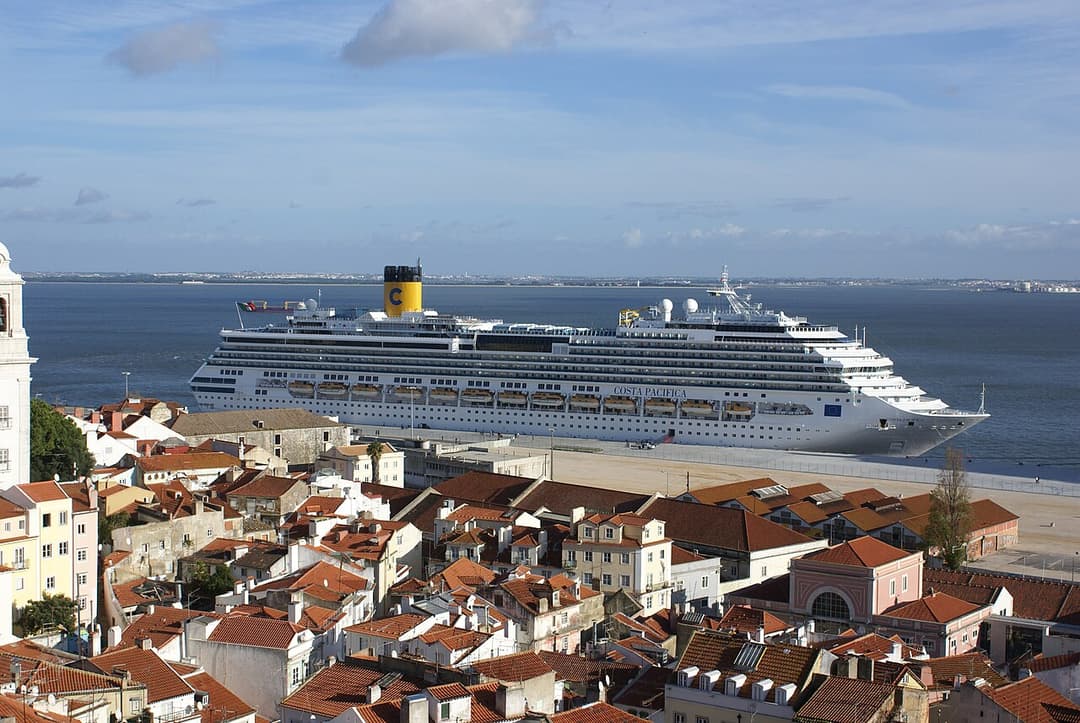
Lisbon's oldest neighbourhood climbs the slope between São Jorge Castle and the Tagus. It survived the 1755 earthquake, so its maze of narrow lanes and tiny squares still feels medieval, with viewpoints at Santa Luzia and Portas do Sol.
Sources: en.wikipedia.org
Praça do Comércio
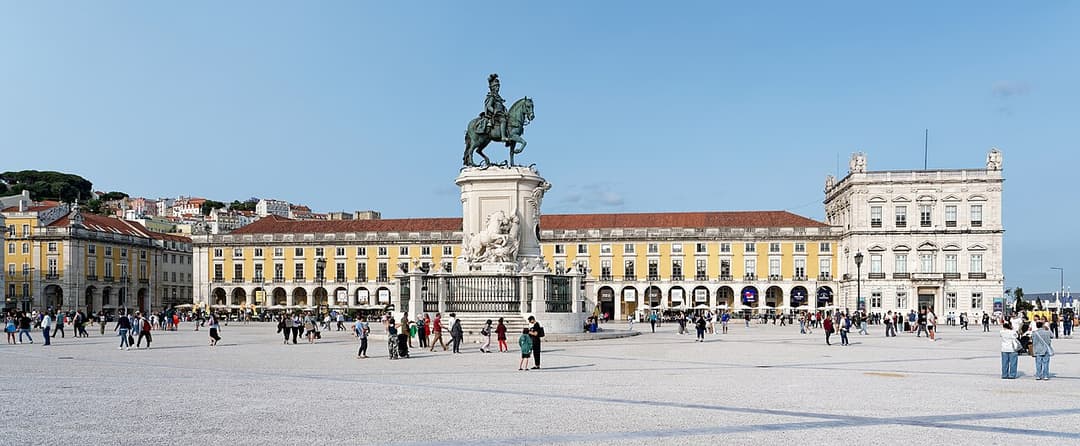
This vast riverside square was once the site of the royal Ribeira Palace, destroyed in 1755. The Marquis of Pombal rebuilt it as a U-shaped square of government offices, with a bronze statue of King José I at its centre and the Rua Augusta Arch leading to the Baixa.
Sources: en.wikipedia.org
Belém Tower
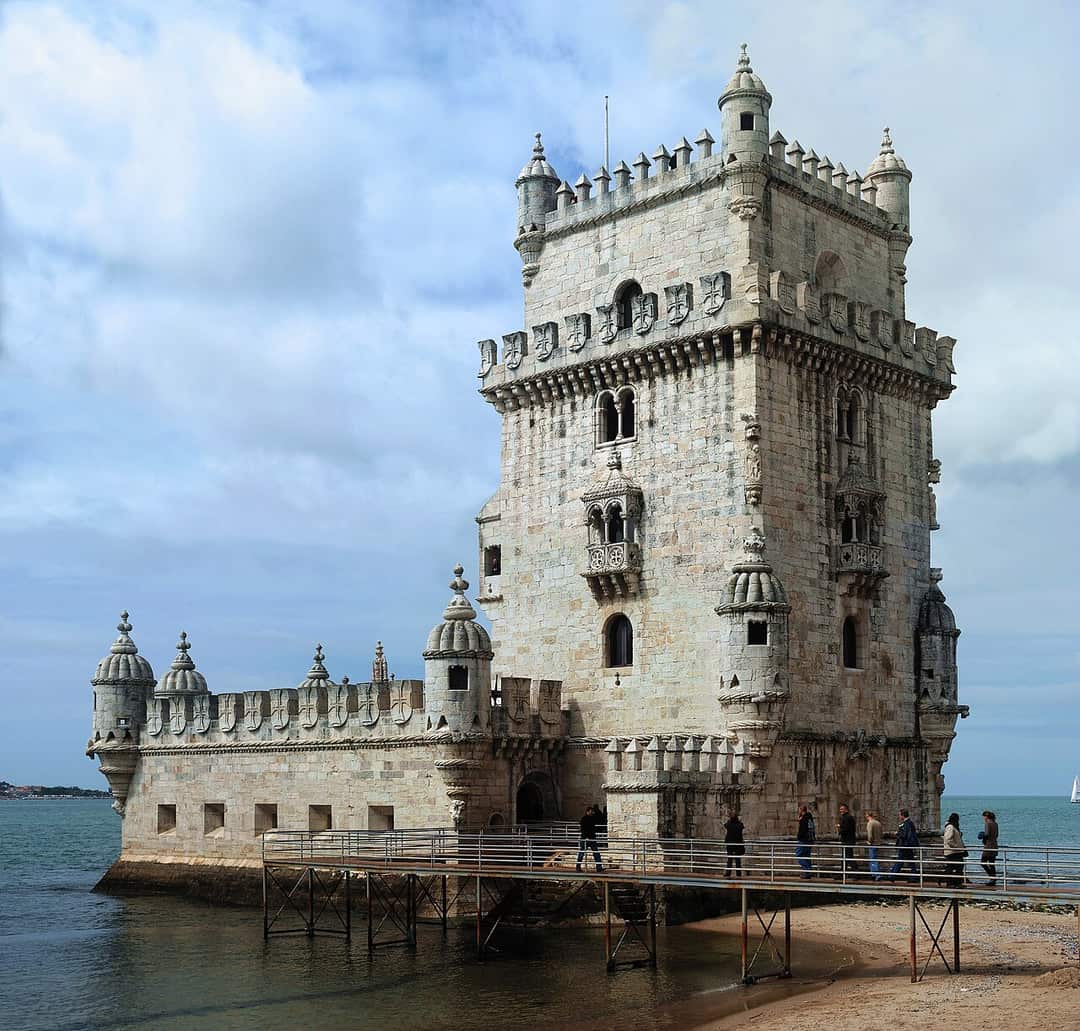
Built between about 1514 and 1519 under King Manuel I, this fortified tower guarded the mouth of the Tagus and served as a ceremonial gateway for explorers. It is a leading example of the Manueline style and a UNESCO World Heritage Site.
Sources: en.wikipedia.org
Jerónimos Monastery
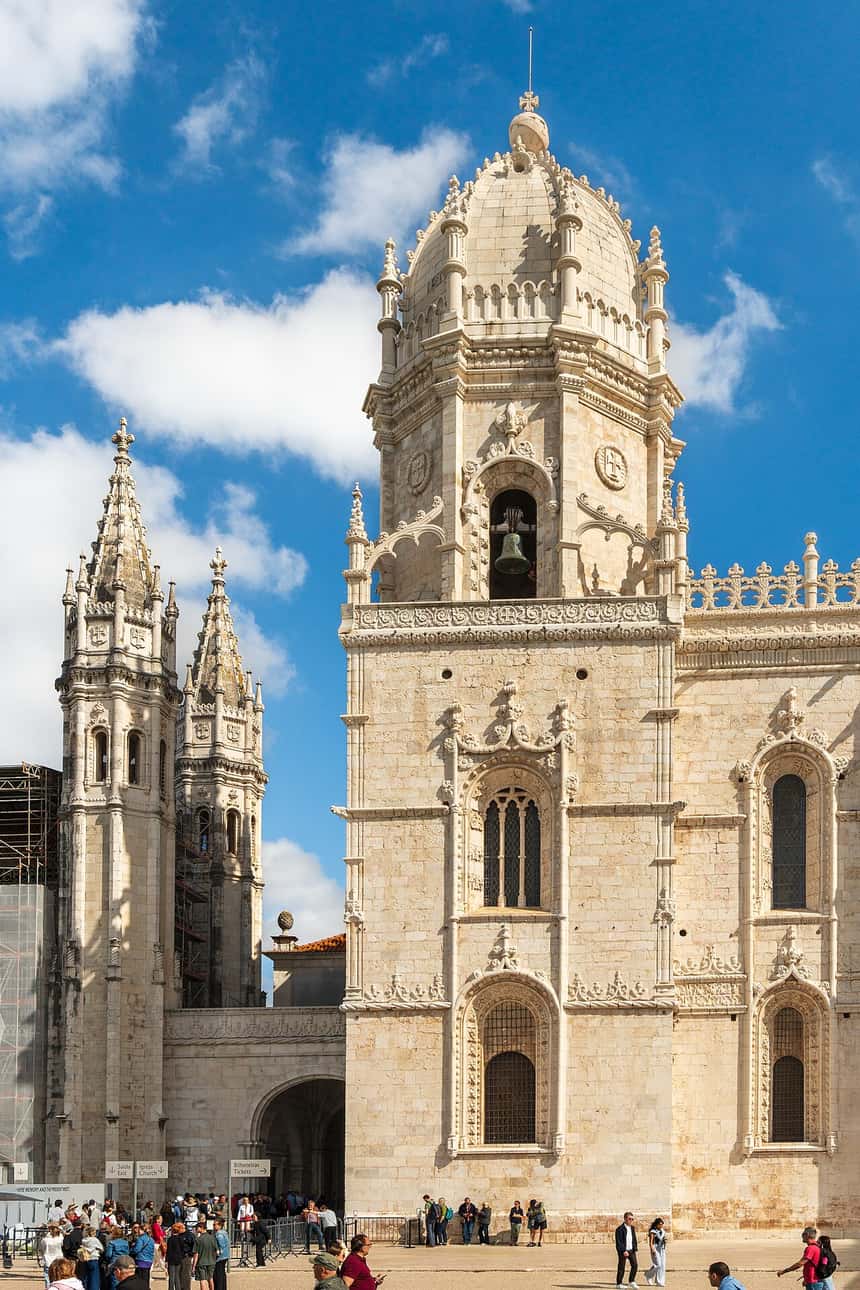
Begun in 1501, the monastery is a richly ornate example of the Manueline style, home to Hieronymite monks for over four centuries. Vasco da Gama and the poet Luís de Camões have tombs in its church; it shares UNESCO status with Belém Tower.
Sources: en.wikipedia.org
Food and drink
Pastéis de nata
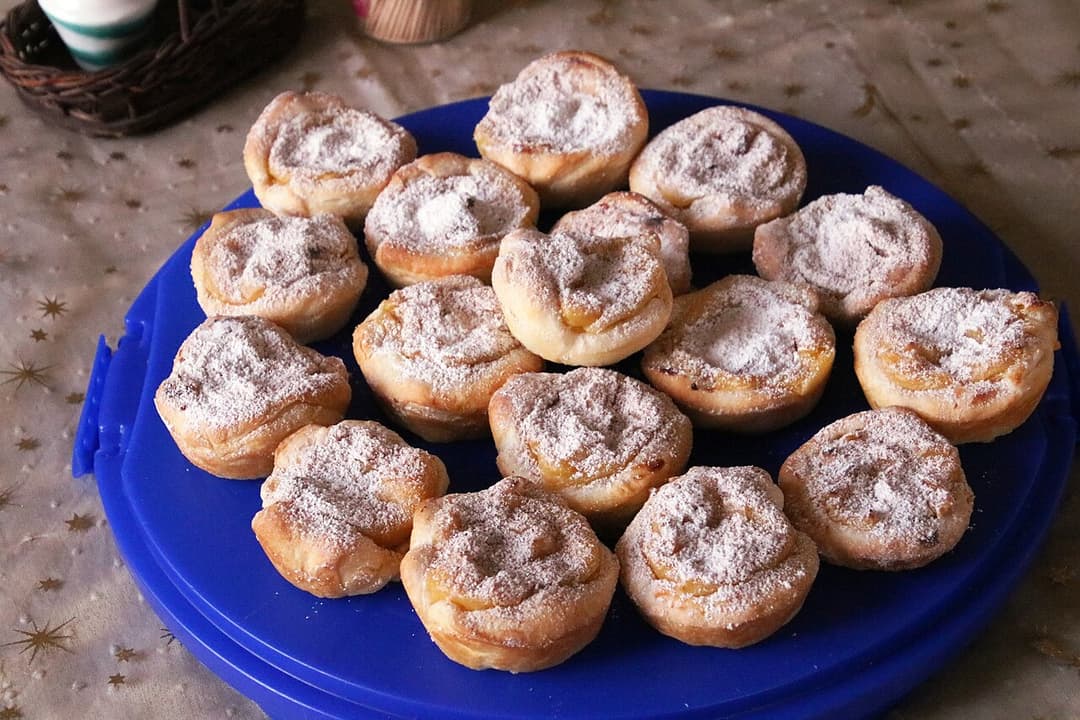
These custard tarts trace back to monks at the Jerónimos Monastery, who had spare egg yolks. The Fábrica de Pastéis de Belém has baked them since 1837 and they are served warm, dusted with cinnamon and icing sugar.
Sources: en.wikipedia.org
Ginjinha
A liqueur of sour ginja cherries steeped in spirit with sugar and spices such as cloves and cinnamon. It is a Lisbon classic, traditionally drunk as a small shot, sometimes with a cherry in the glass.
Sources: en.wikipedia.org
Bacalhau
Salted dried cod is the iconic ingredient of Portuguese cooking, once nicknamed the “loyal friend”. Lisbon favourites include bacalhau à Brás, and people often say there is a different recipe for every day of the year.
Sources: en.wikipedia.org
Culture
Fado
Fado emerged in early 19th-century Lisbon, in districts such as Alfama, Mouraria and Bairro Alto. Sung to Portuguese guitar, it is tied to saudade, a longing for what is lost. UNESCO recognised it as intangible heritage in 2011.
Sources: en.wikipedia.org
National Tile Museum
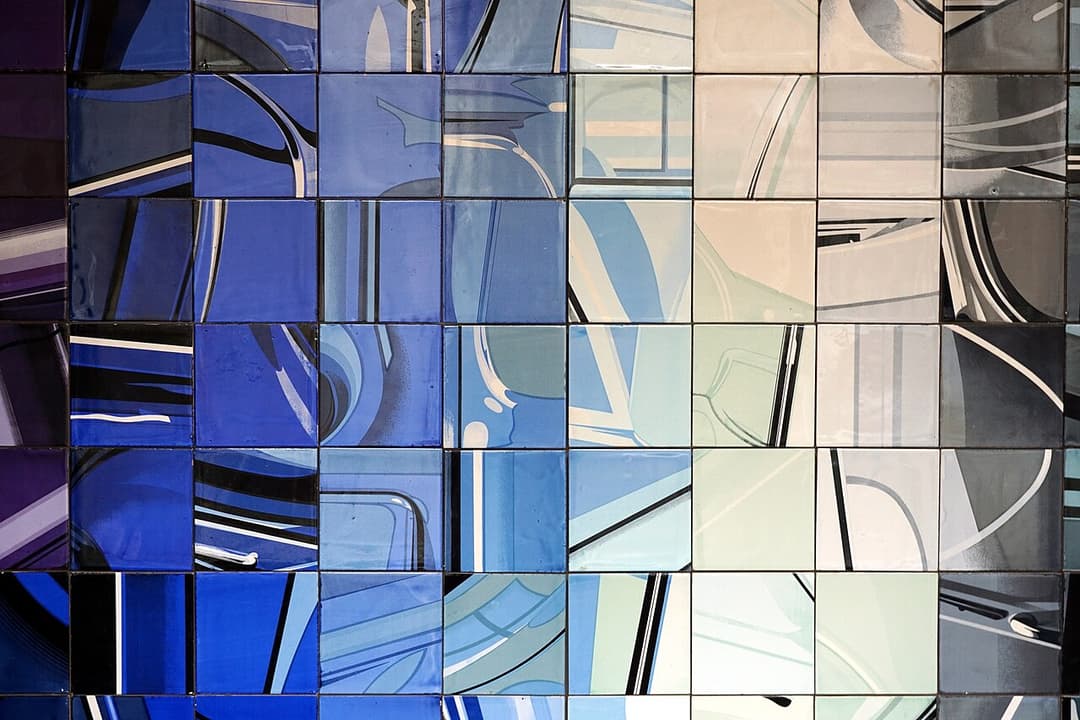
Set in the former Madre de Deus convent, founded in 1509, the museum follows Portuguese azulejo tiles from the 15th century to today. It is one of the largest ceramics museums in the world.
Sources: en.wikipedia.org
Calouste Gulbenkian Museum
Opened in 1969, it holds the collection of Armenian oil magnate Calouste Gulbenkian, from Ancient Egypt to the early 20th century, including Islamic art and René Lalique's jewellery. It sits in a landscaped park.
Sources: en.wikipedia.org
Things to do
Tram 28
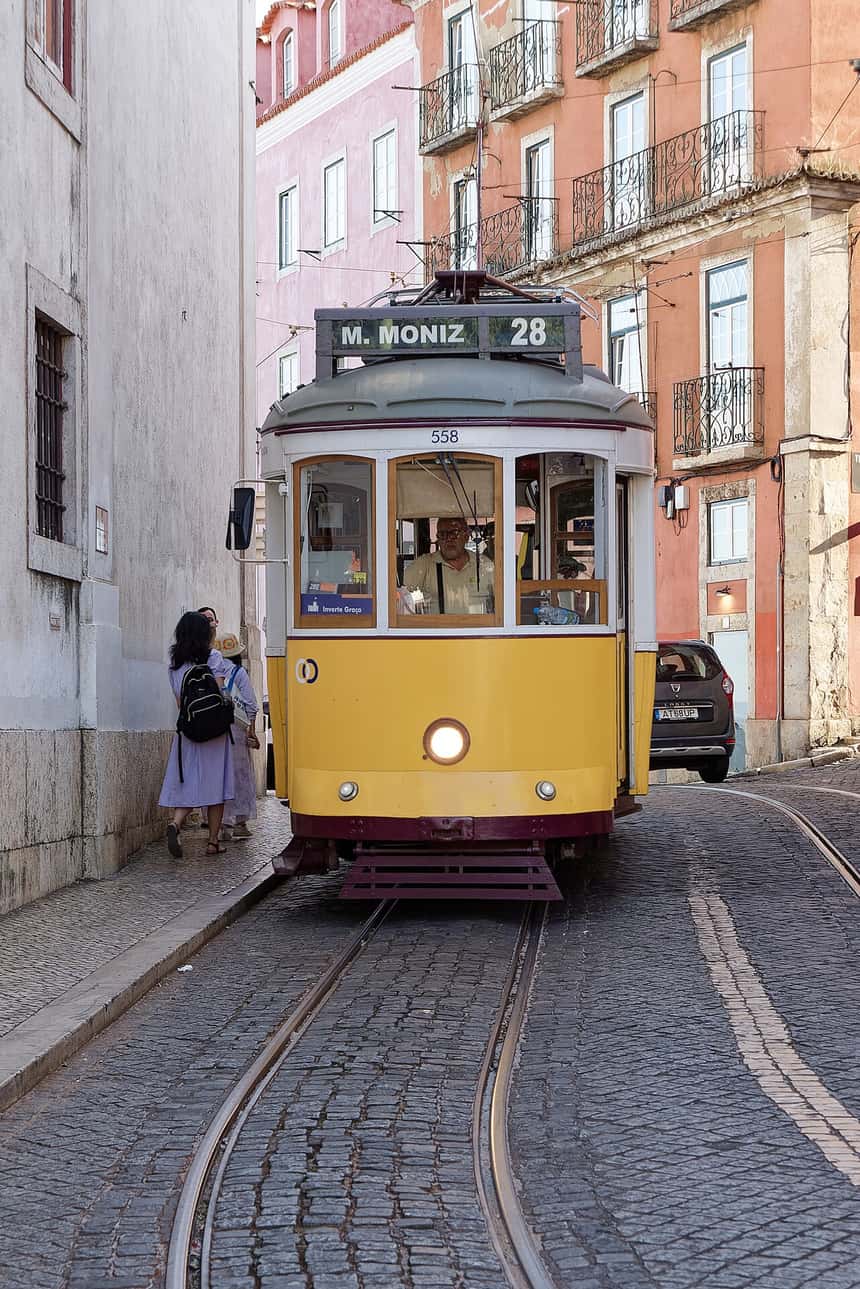
Trams first ran in Lisbon in 1873 and electric ones from 1901. Line 28 rattles from Martim Moniz through Graça and Estrela to Campo de Ourique, climbing steep hills that larger vehicles cannot manage.
Sources: en.wikipedia.org
Santa Justa Lift
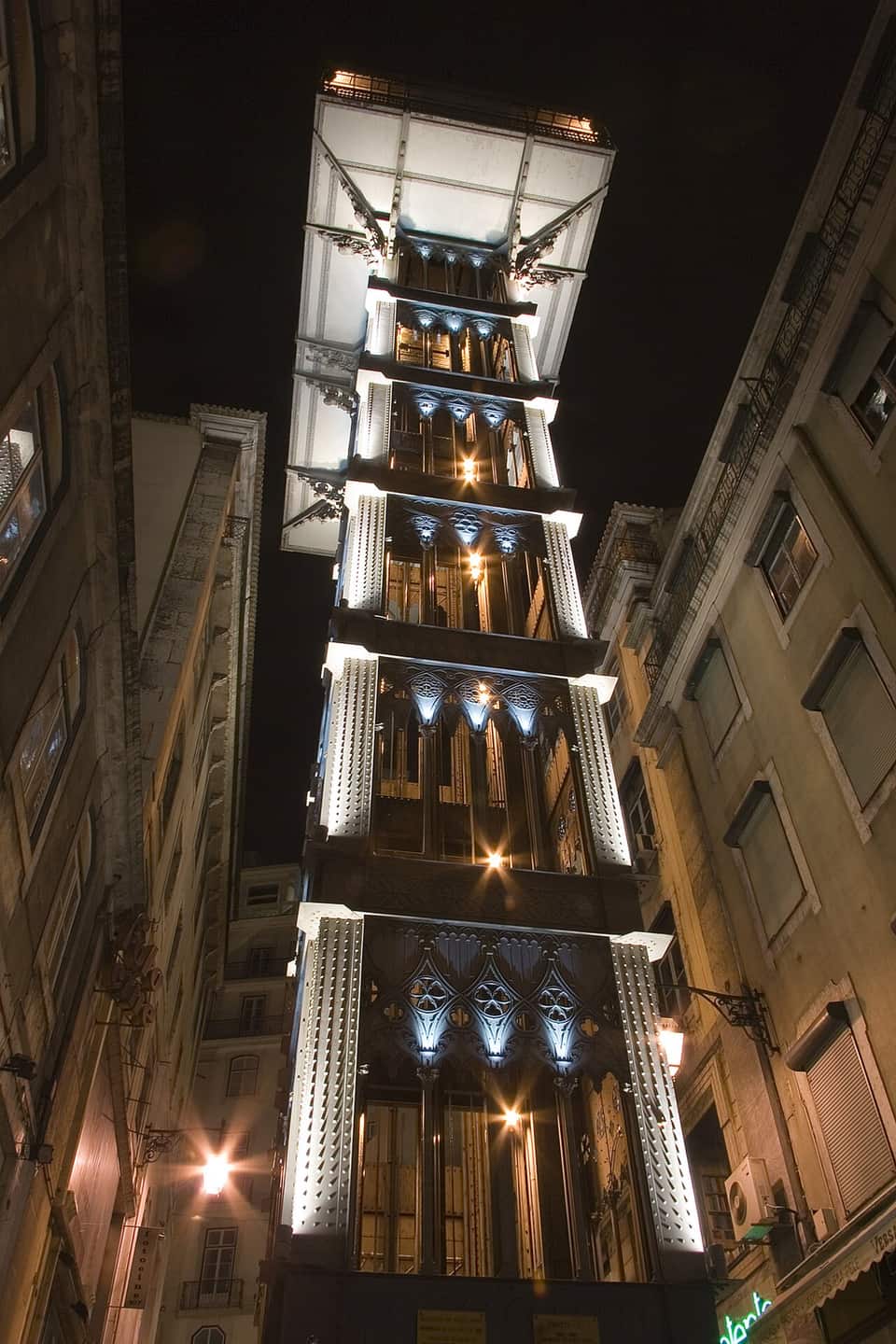
This 45-metre iron tower from 1901–02 links the lower Baixa streets with Largo do Carmo. Designed by Raoul Mesnier du Ponsard in a Neo-Gothic style, its top deck is a lookout over the city.
Sources: en.wikipedia.org
Tips
Rechargeable transport card
Lisbon's metro, and the ferries and suburban trains, accept contactless cards such as Viva Viagem and Navegante, so one card can cover several modes. The metro has four lines, named by colour: blue, yellow, green and red.
Sources: en.wikipedia.org
Wear grippy shoes
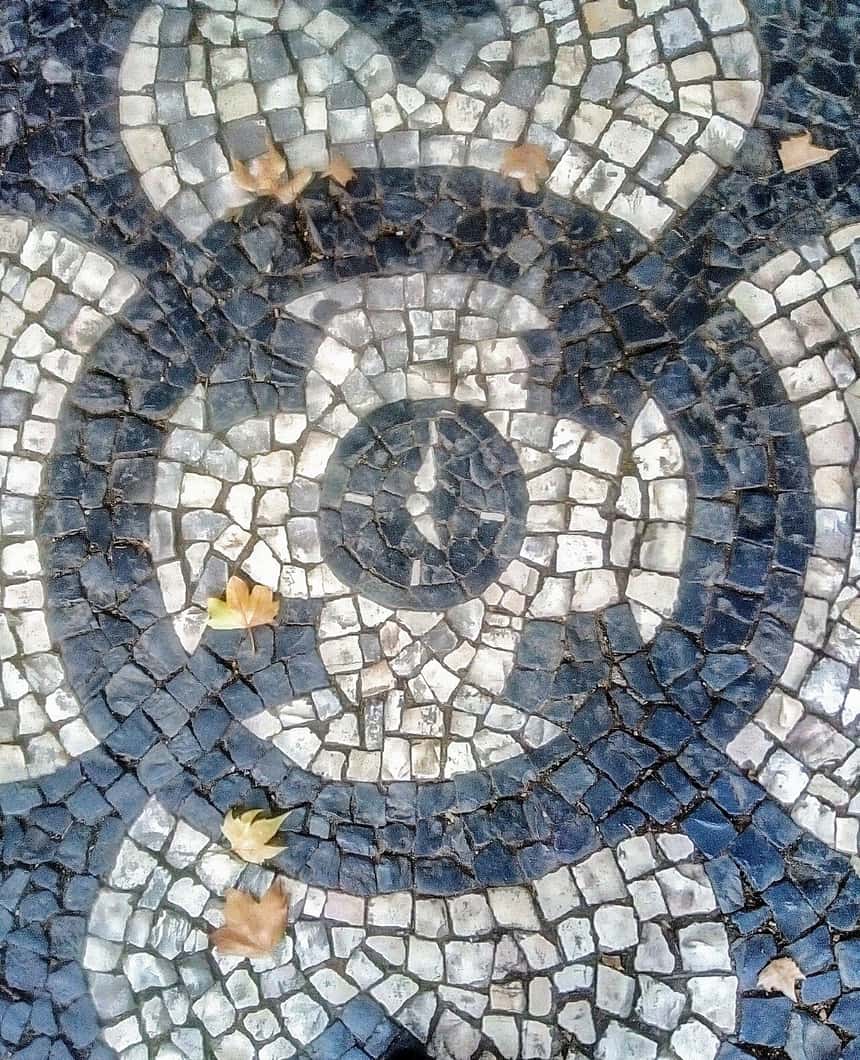
Much of Lisbon is paved in calçada portuguesa, mosaic-like patterns of small stones first used there in the 1840s. It is particularly slippery when wet, and the streets are steep, so comfortable shoes with good grip help.
Sources: en.wikipedia.org
Stay online for maps
Mobile data makes maps and transport apps far easier on Lisbon's winding hills. A Roamy eSIM for Portugal can be installed before the trip, so you are connected on arrival.
Sources: roamyesim.com