Rome ·
Ancient stones and Roman suppers
Rome stacks nearly three thousand years of history into one walkable city. Wander past the Colosseum and the Forum, then settle in for a plate of carbonara.
Places
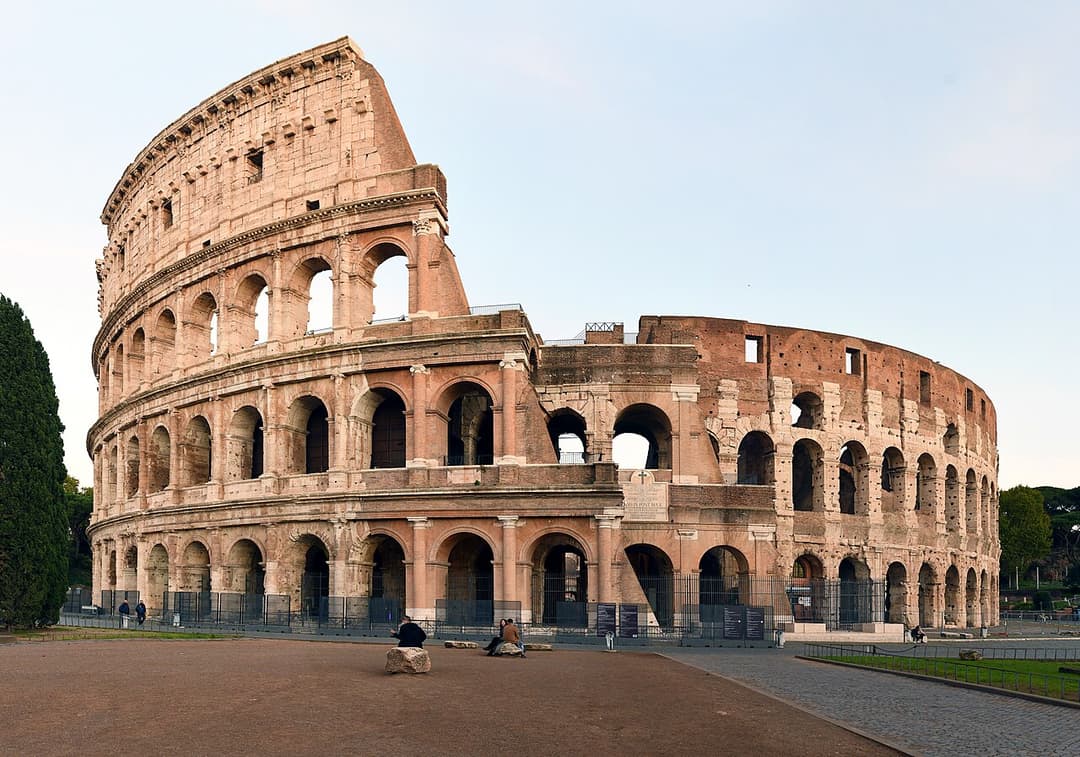
Colosseum
Rome's great amphitheatre was begun under Emperor Vespasian in AD 72 and finished under his son Titus in AD 80. It is the largest standing amphitheatre in the world and once held tens of thousands of spectators.
Sources: en.wikipedia.org
Roman Forum
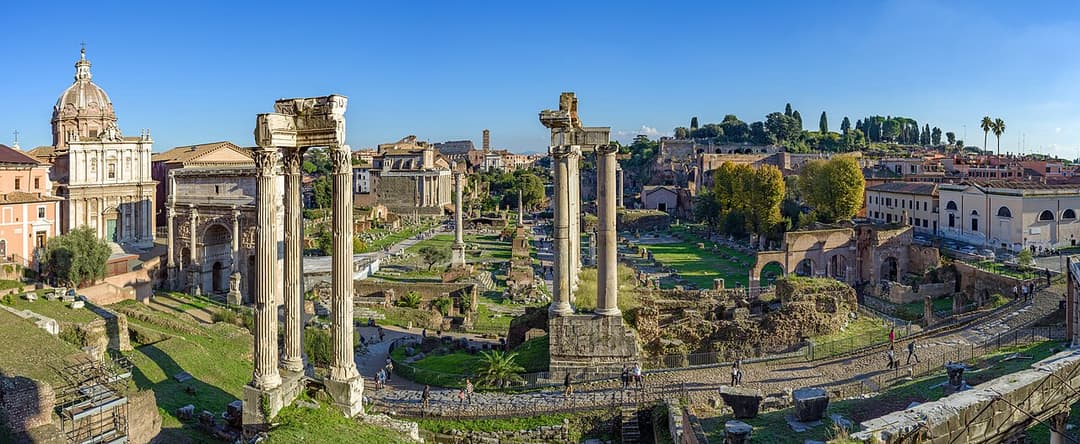
Between the Palatine and Capitoline hills, this valley of ruins was the centre of daily life in ancient Rome. Processions, elections, speeches and trials all took place here, and monuments honoured the city's leaders.
Sources: en.wikipedia.org
Pantheon
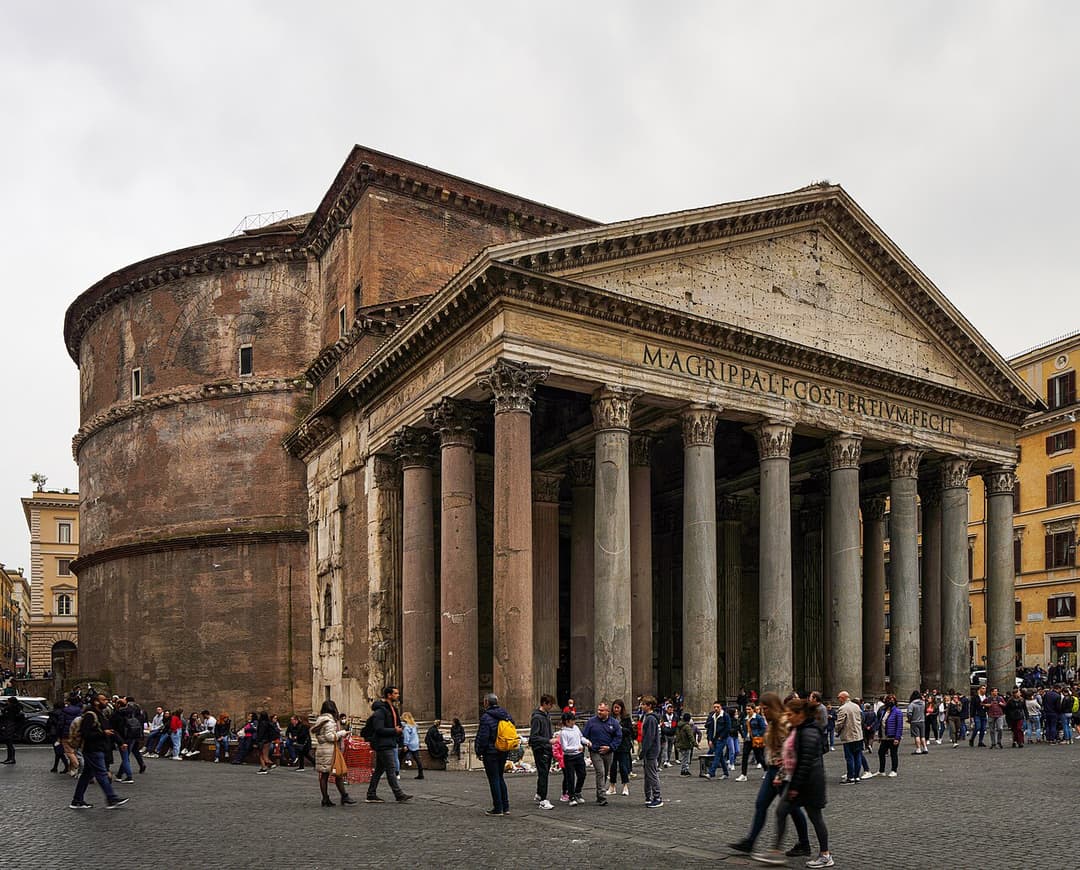
Built under Augustus and rebuilt under Hadrian, probably dedicated around AD 126, this former temple of all the gods has been a church since AD 609. Its porch has huge granite Corinthian columns.
Sources: en.wikipedia.org
Trevi Fountain
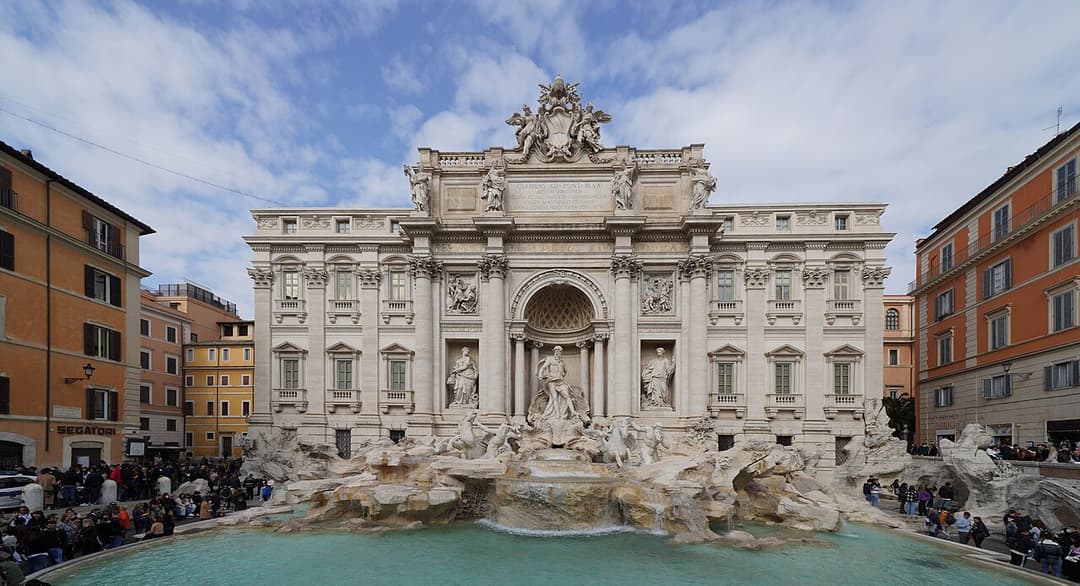
Designed by Nicola Salvi and finished by Giuseppe Pannini in 1762, it stands 26 metres high and is the largest Baroque fountain in the world.
Sources: en.wikipedia.org
Trastevere
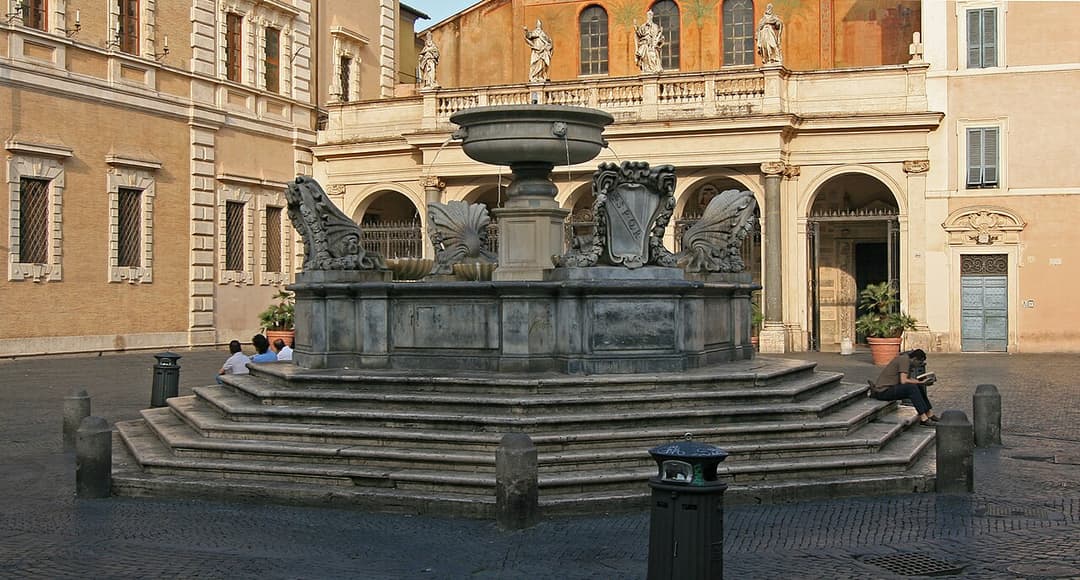
The 13th district of Rome takes its name from the Latin trans Tiberim, meaning “beyond the Tiber”. Its coat of arms shows a golden lion’s head on a red field, though no one is sure what it means.
Sources: en.wikipedia.org
Food and drink
Carbonara
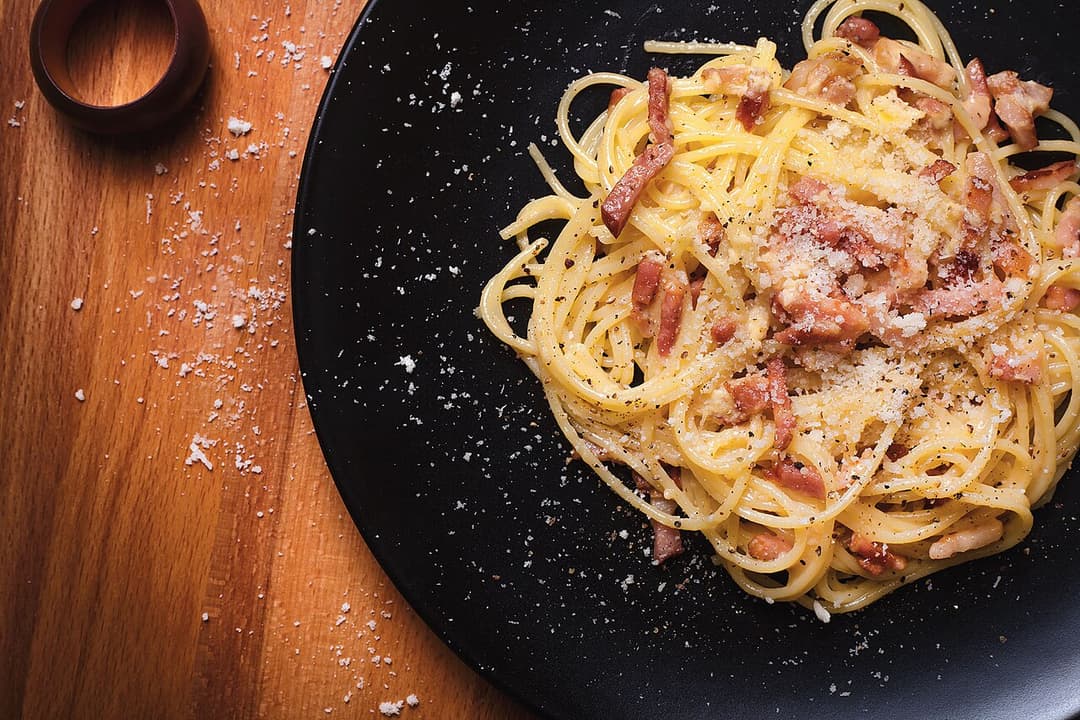
This pasta of cured pork, hard cheese, eggs and black pepper comes from the Lazio region and took its modern form and name in the mid-20th century. Traditional versions use guanciale and pecorino romano.
Sources: en.wikipedia.org
Supplì
A ball of risotto with tomato sauce, coated and fried, is a typical Roman snack. Some say it came from French croquettes brought by Napoleon’s troops, and the name echoes the French word surprise.
Sources: en.wikipedia.org
Carciofi alla romana
Artichokes braised in a pan are a classic of Roman cooking and appear in homes and restaurants in spring. Carciofi alla giudia, the deep-fried version, comes from Rome’s Jewish community.
Sources: en.wikipedia.org
Culture
Capitoline Museums
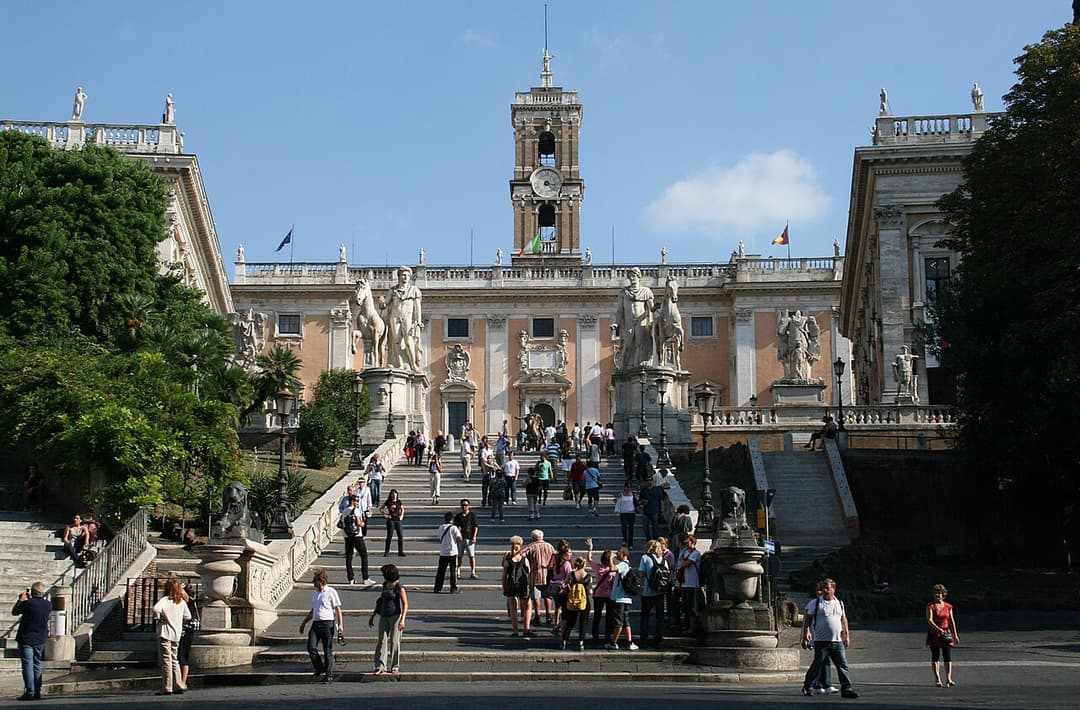
On Michelangelo’s Piazza del Campidoglio, these museums hold the Capitoline Wolf, the Dying Gaul and the equestrian statue of Marcus Aurelius, alongside Renaissance and Baroque paintings.
Sources: en.wikipedia.org
Appian Way
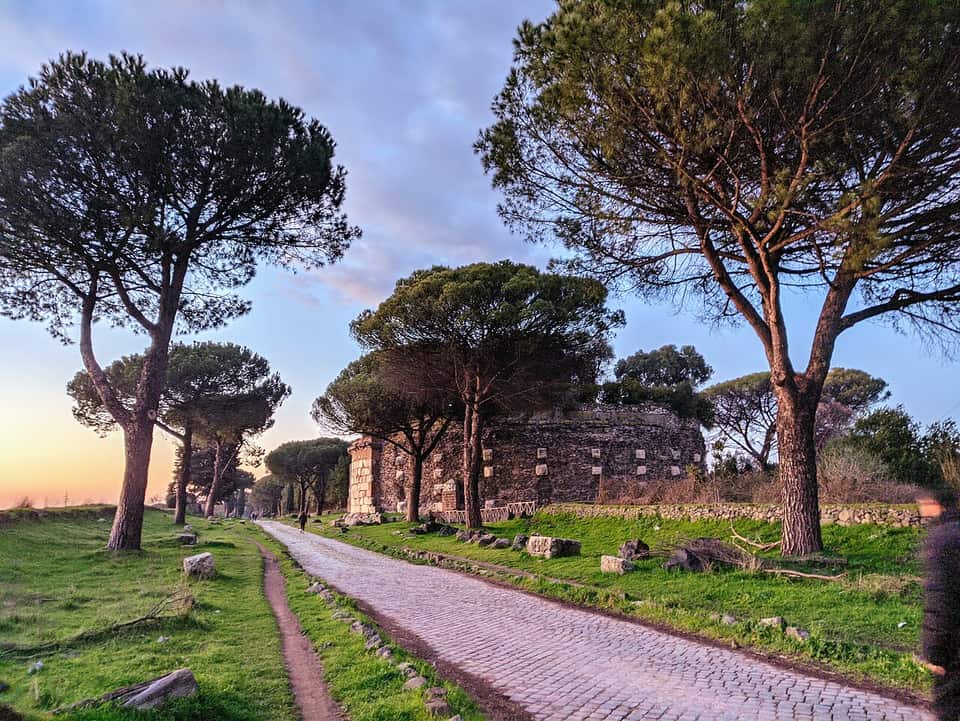
Begun in 312 BC by the censor Appius Claudius Caecus, this road once linked Rome with Brindisi and was nicknamed the queen of long roads. It joined the UNESCO World Heritage List in July 2024.
Sources: en.wikipedia.org
Tips
Drink from a nasone
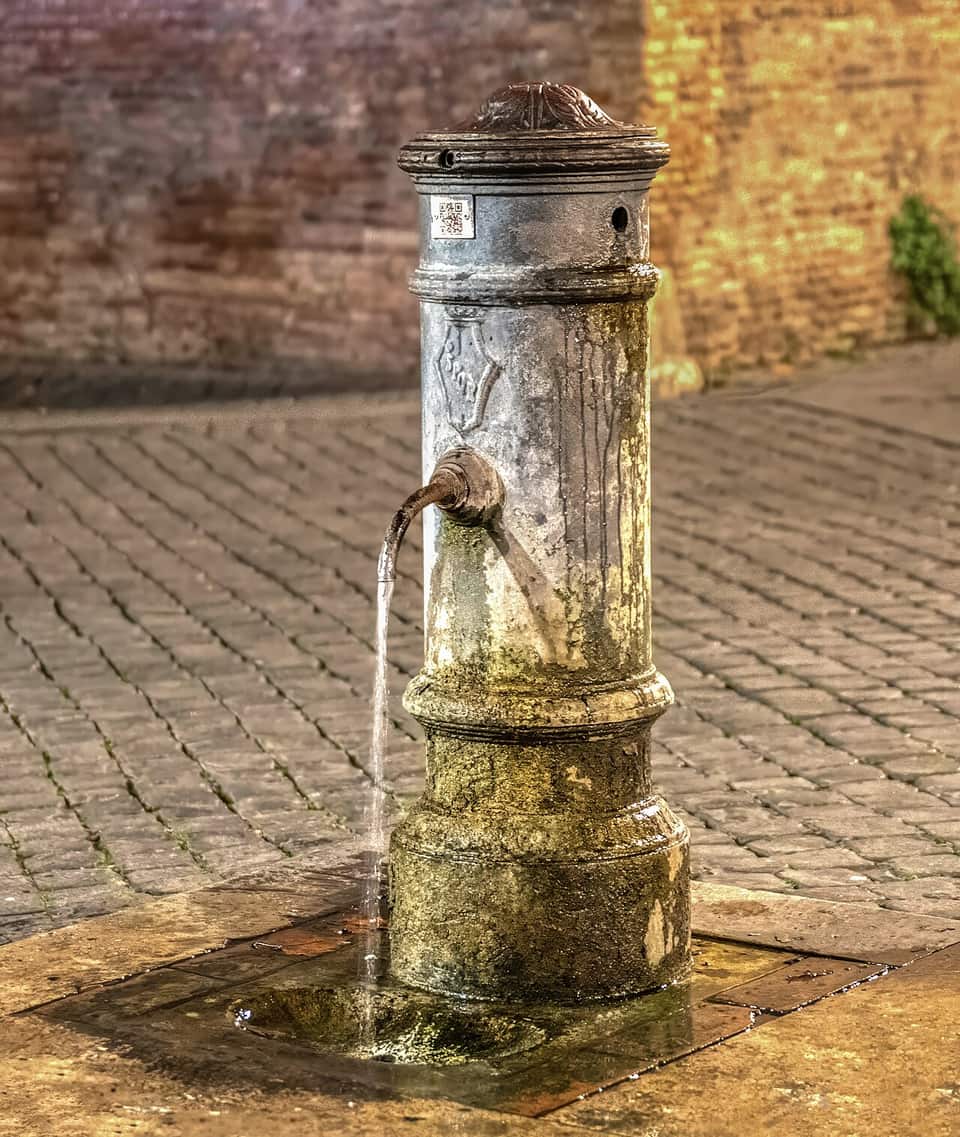
Rome has roughly 2,500 to 2,800 nasoni, the small drinking fountains with a curved spout that date from the 1870s. They give free drinking water, so carry a bottle and refill it as you walk.
Sources: en.wikipedia.org
Metro and airport train
The metro has three lines: A (orange), B (blue) and C (green). The Leonardo Express runs between Roma Termini and Fiumicino airport, and tram and suburban lines cover the rest.
Sources: en.wikipedia.org
Get online before you land
Rome has three metro lines, eight suburban rail lines and six tram lines, so a maps or transit app is a big help. Mobile data makes that easy, and a Roamy eSIM for Italy can be installed before the trip.
Sources: en.wikipedia.org