San Sebastián ·
San Sebastián: a city that eats with its eyes open
A resort built by a queen's summers, rebuilt after a fire, and now better known for its bars than its beaches. Donostia is small enough to cross on foot in an hour, and dense enough to fill a week: modern sculpture at the water's edge, a tobacco factory turned into a film school, and a table that the whole region takes seriously.
Places
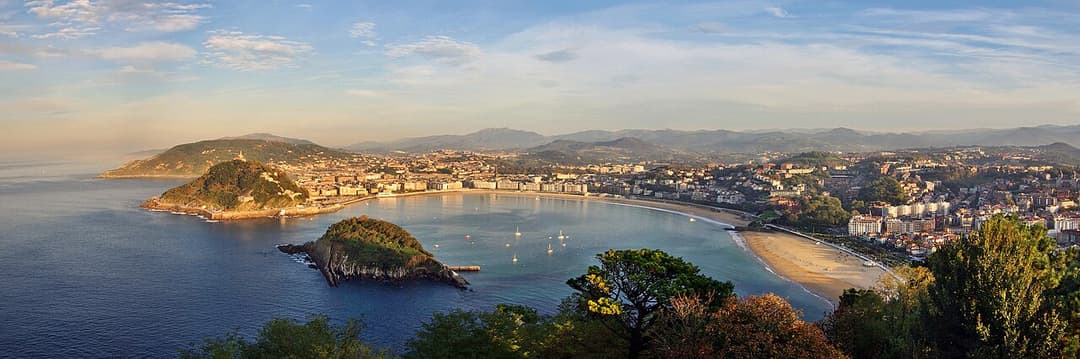
La Concha, a bay made for a queen
The seaside city is a nineteenth-century invention. From 1885 Maria Cristina, widow of Alfonso XII, spent every summer here, at the Miramar Palace, and the court followed. José Goicoa designed both the palace and the promenade along La Concha. The sea baths proved incompatible with shipbuilding, so the shipyards were moved to Pasaia. The curve of the bay has been kept for walkers ever since.
Sources: en.wikipedia.org
The old town that was rebuilt in a hurry
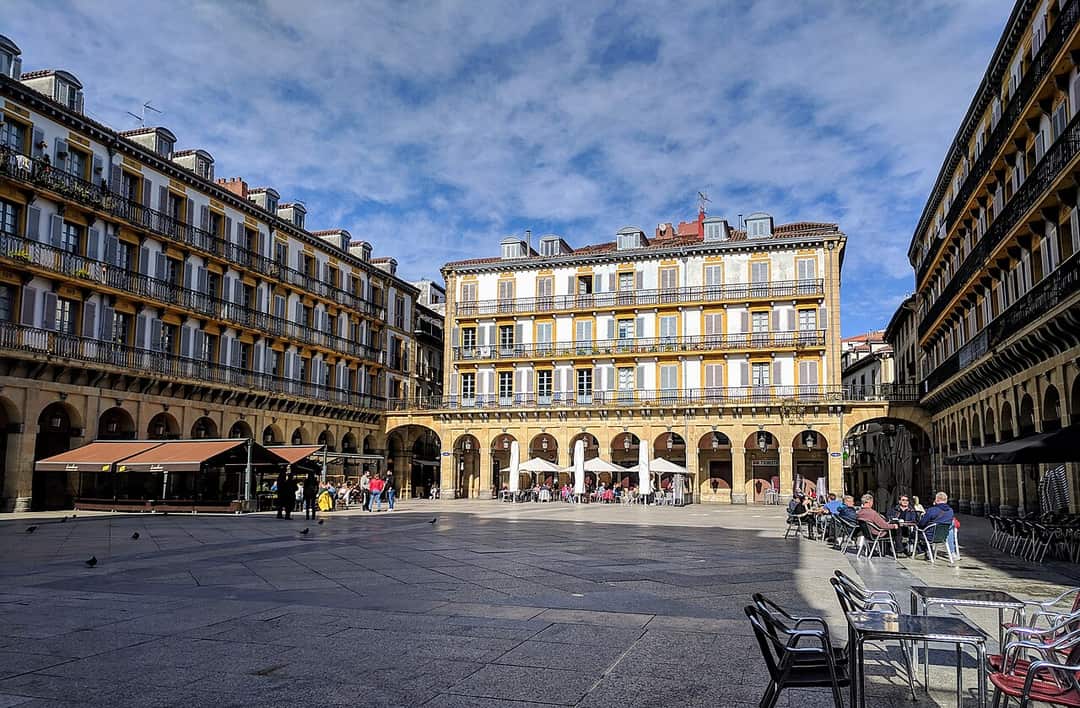
In August 1813 British and Portuguese troops stormed the town and burned it; only the street at the foot of the castle hill, now 31 de Agosto, survived. The rebuilding kept the original site with a slightly altered plan, and the result is a neoclassical grid: the Plaza de la Constitución dates from 1817 and the town hall from 1828–32. It is a Parte Vieja of arcades and straight lines, not the medieval tangle you might expect.
Sources: en.wikipedia.org
Chillida's Comb of the Wind
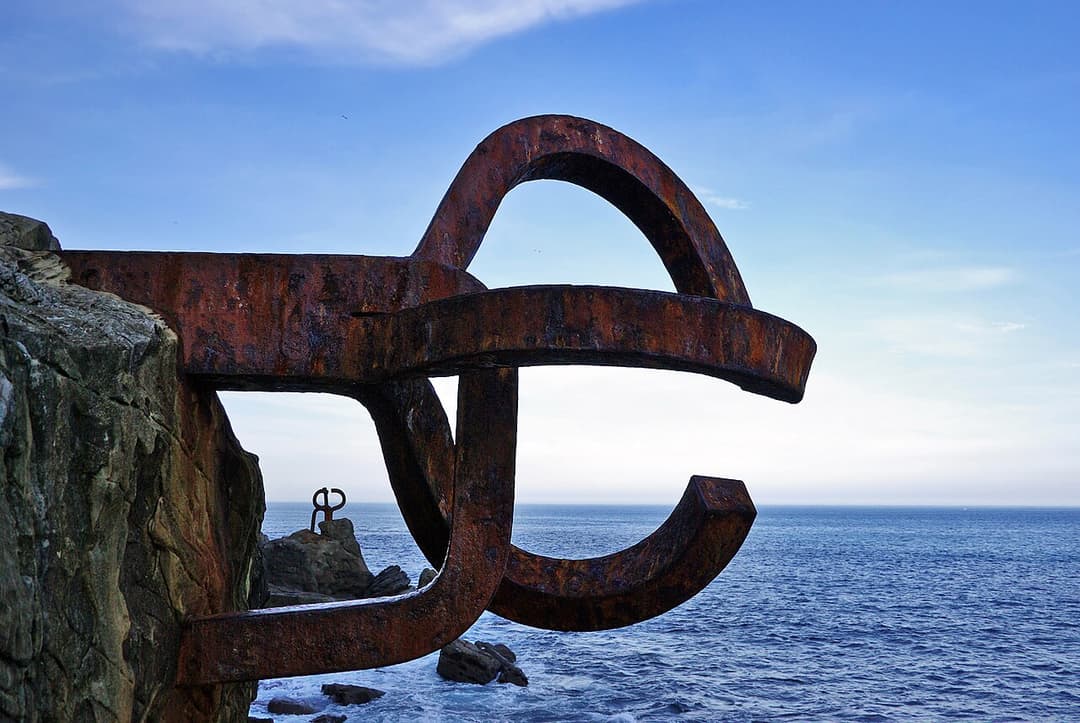
At the far end of Ondarreta beach, three steel sculptures by Eduardo Chillida are anchored into the rocks at the foot of Mount Igeldo. The architect Luis Peña Ganchegui designed the stone setting and the way the pieces are fixed to it; the group was installed in 1977. On a rough day the sea does part of the work, forcing spray through the plaza. Go at the end of the promenade, not in the middle of the afternoon.
Sources: en.wikipedia.org · turismo.euskadi.eus
Tabakalera: from tobacco to contemporary culture
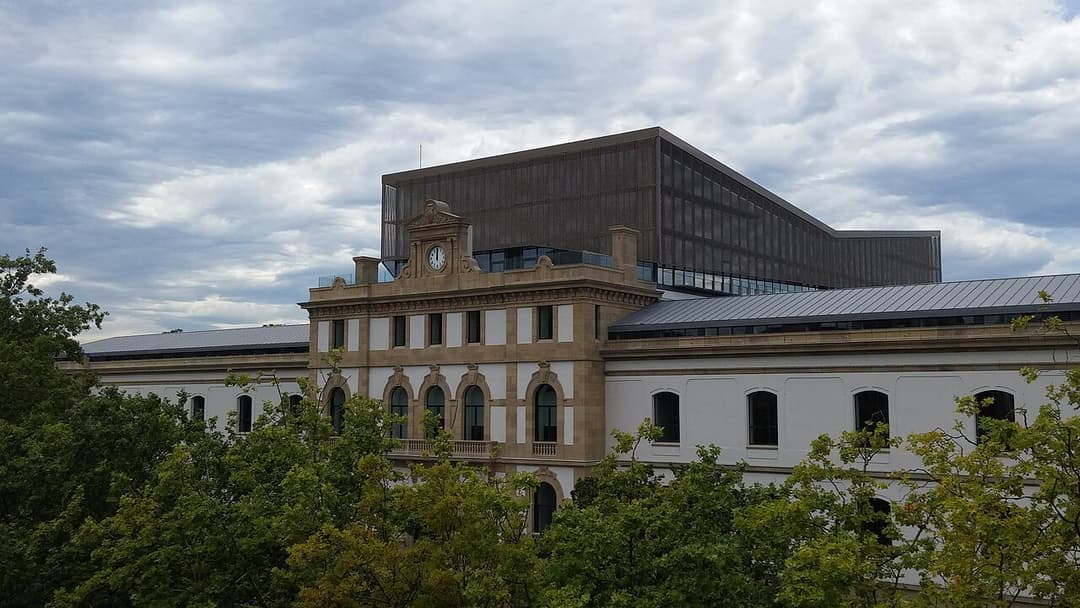
The tobacco factory made cigarettes from 1913 to 2003 and was one of the city's main employers, mostly of women. Three administrations bought it in 2004; after a refurbishment it reopened on 11 September 2015 as an international centre for contemporary culture. It now houses the Basque Film Archive and the Elías Querejeta film school, and it sits beside the northern railway station, a short walk from the old town.
Sources: en.wikipedia.org
San Telmo: a convent that became a museum of the Basques
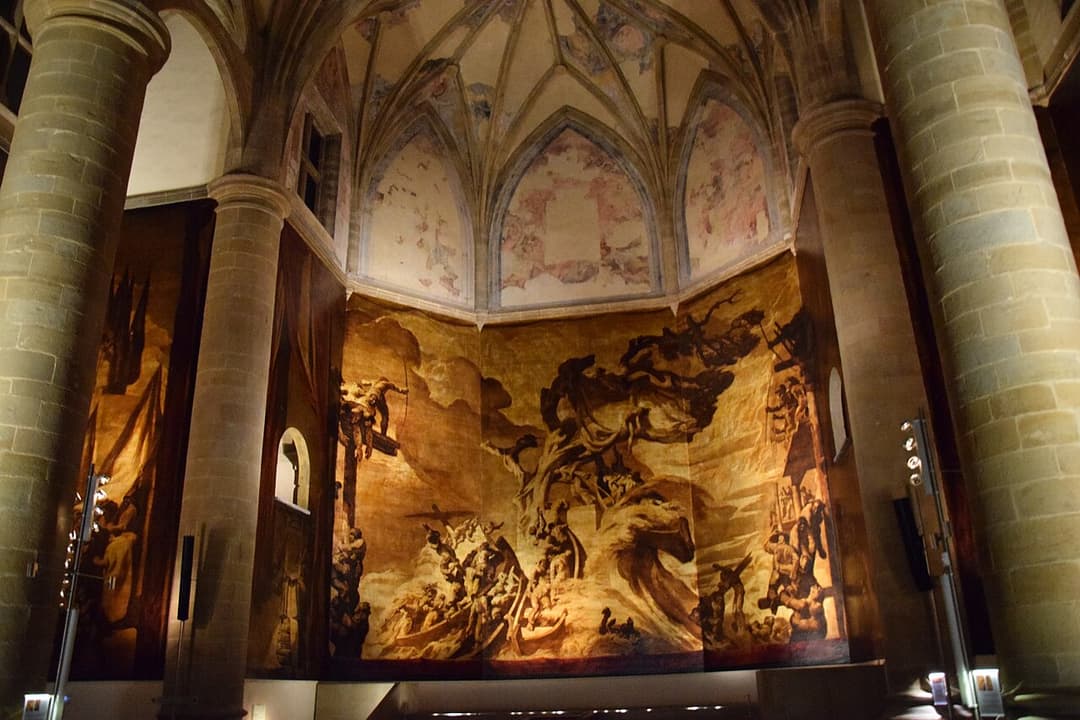
The Dominican convent was built between 1544 and 1562 under the patronage of Alonso de Idiáquez and Gracia de Olazabal. Its church holds large canvases by the Catalan painter Josep Maria Sert. After a renovation it reopened on 19 April 2011, with an extension by Nieto Sobejano, as a museum of Basque society, old and new. Read the building first; the collection reads better afterwards.
Sources: en.wikipedia.org
Food and drink
How to drink and eat in a pintxo bar
A pintxo is a small portion, often pinned to bread with a toothpick; the toothpick is also how the bar keeps count. Pintxos are ordered and paid for separately from drinks, and friends tend to move from tavern to tavern with a small glass of wine or beer rather than settling in one place. Order one thing the bar is known for and one thing from the counter, then move on.
Sources: en.wikipedia.org
The Gilda, a pintxo named after a film
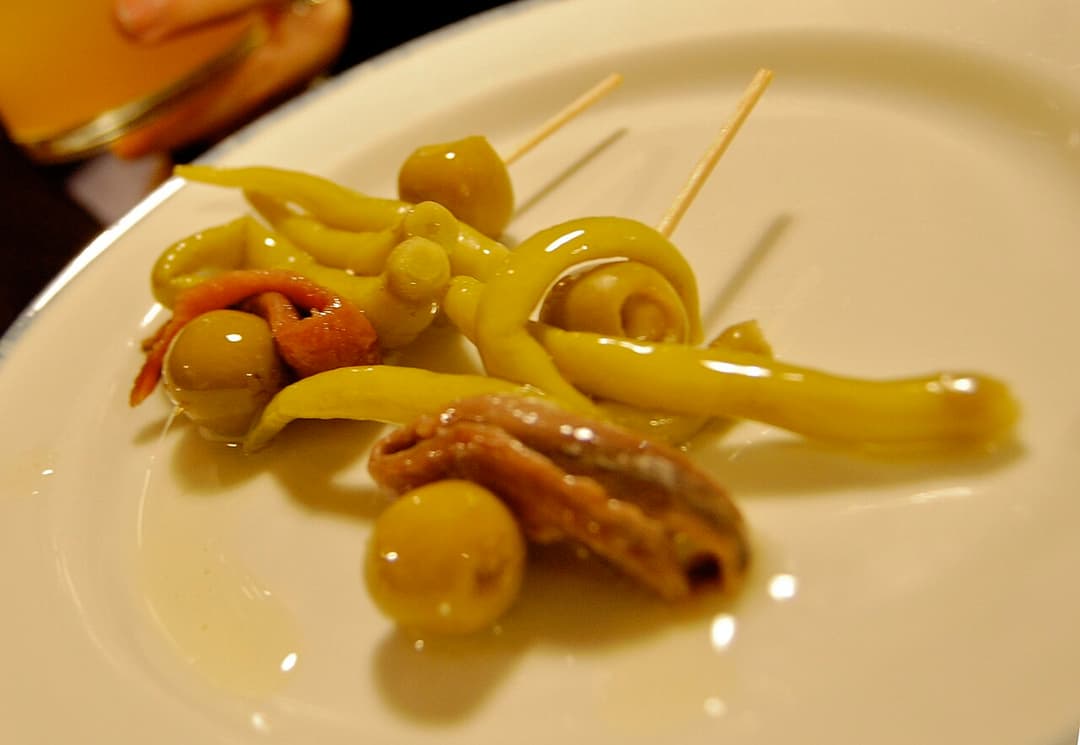
An olive, an anchovy and a pickled pepper on one toothpick, most often traced to Bar Casa Vallés in the 1940s and named after the 1946 film Gilda, starring Rita Hayworth: green, salty and a little hot. Who first put it together, and when, is disputed; some say similar skewers were on counters in the 1920s. The name stuck, and it is the simplest way to start.
Sources: davidperry.com
Cider season in Astigarraga
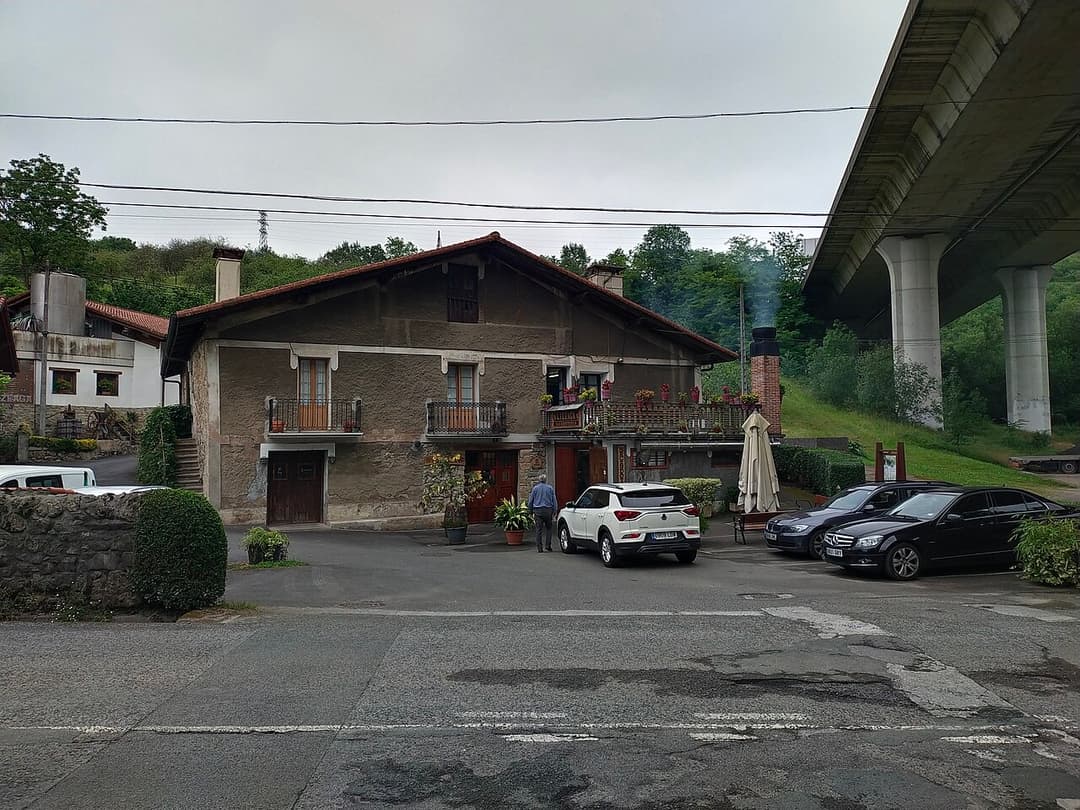
The sagardotegi, or cider house, is a seasonal institution, roughly from the second half of January to the end of April. The cider comes from large casks, and when the call goes up, "Txotx!", you stand at the barrel with your glass. Meals are built around three main dishes and a dessert, all traditional. Astigarraga is the cider capital; Hernani, Urnieta and Usurbil have their own houses within reach of the city.
Sources: turismo.euskadi.eus · sansebastianturismoa.eus
A kitchen that teaches itself
The Basque Culinary Center was created in 2009 by Mondragon University and a group of Basque chefs, among them Juan Mari Arzak, Martín Berasategui, Pedro Subijana and Andoni Luis Aduriz, and opened its campus in 2011. The tourist board lists the city's starred kitchens, including Arzak, in a house dating from 1897, and Akelarre on Mount Igueldo; Martín Berasategui is just outside the city in Lasarte-Oria. Stars change; check the current Michelin guide before you book.
Sources: en.wikipedia.org · sansebastianturismoa.eus
Culture
A film festival that began as a business plan
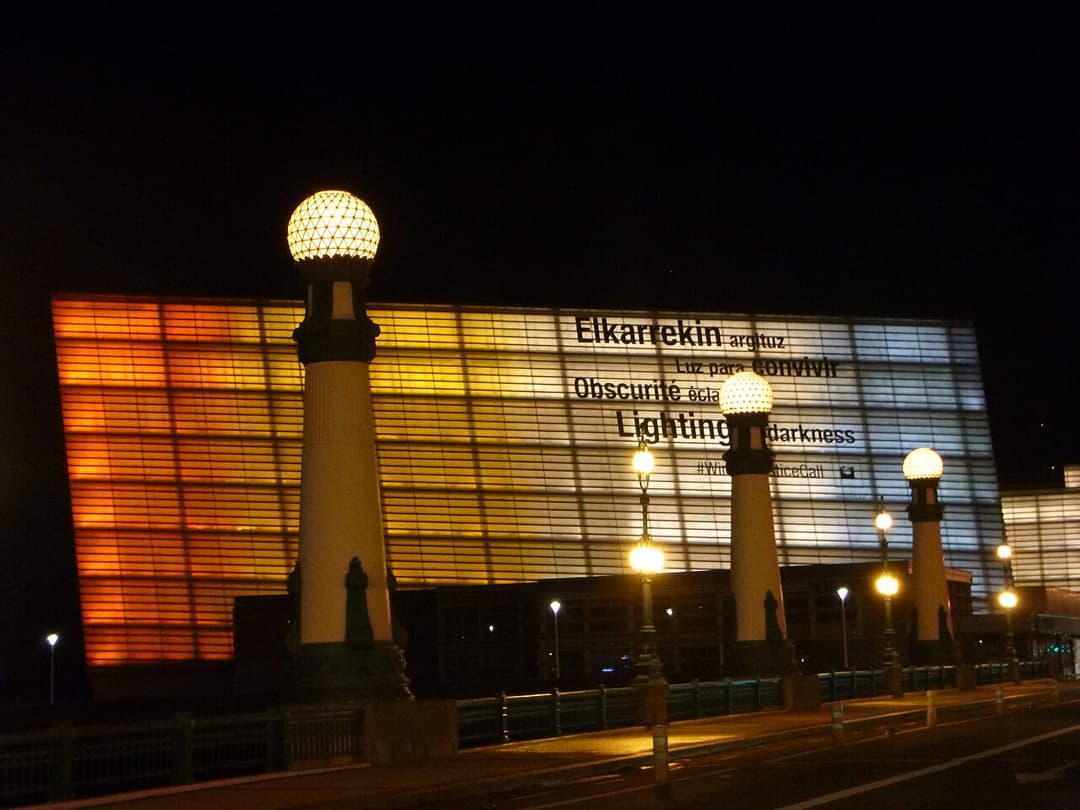
The San Sebastián International Film Festival was founded in 1953 by local businessmen who wanted to lift the city's economy and profile. It is held every September, centred on the Kursaal and the Victoria Eugenia Theatre. The same month the old town is crowded and the beaches are not, which is a good reason to come.
Sources: en.wikipedia.org
Balenciaga in his home town
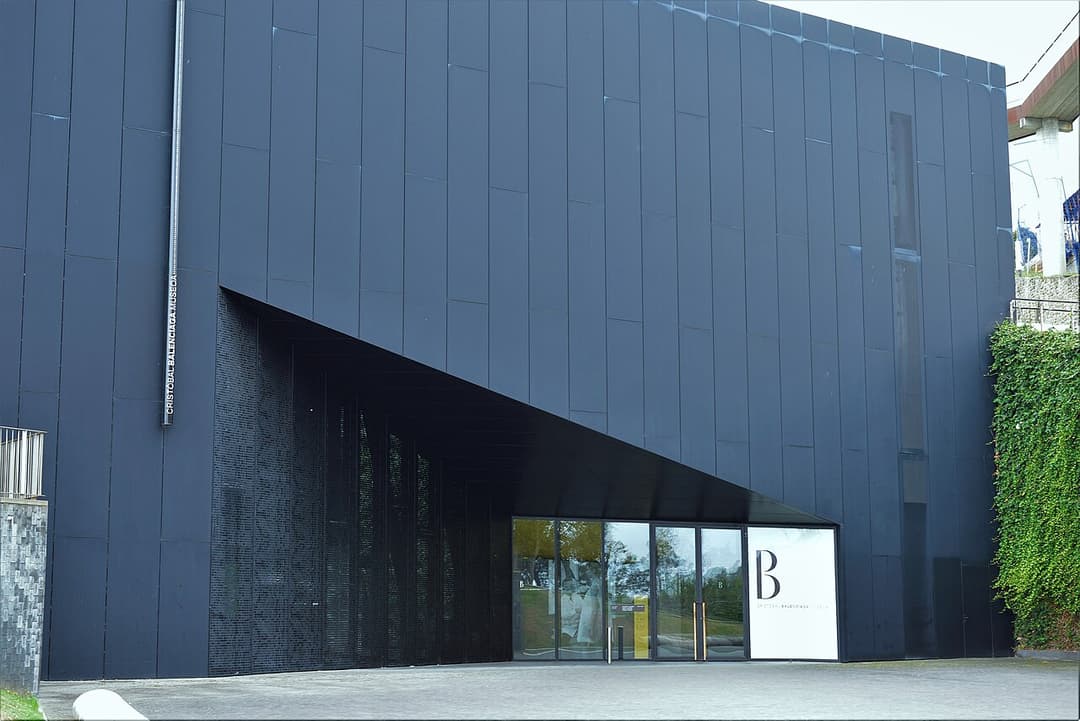
Twenty-five kilometres west, in Getaria, a museum is devoted to Cristóbal Balenciaga: a permanent collection of his couture in a black-and-glass building, with rotating exhibitions on other chapters of his life. It is a quiet counterpoint to the pintxo bars, and the rest of the town is a short walk from the door.
Sources: en.wikipedia.org · afar.com
Things to do
Getaria: grilled fish and a hill shaped like a mouse
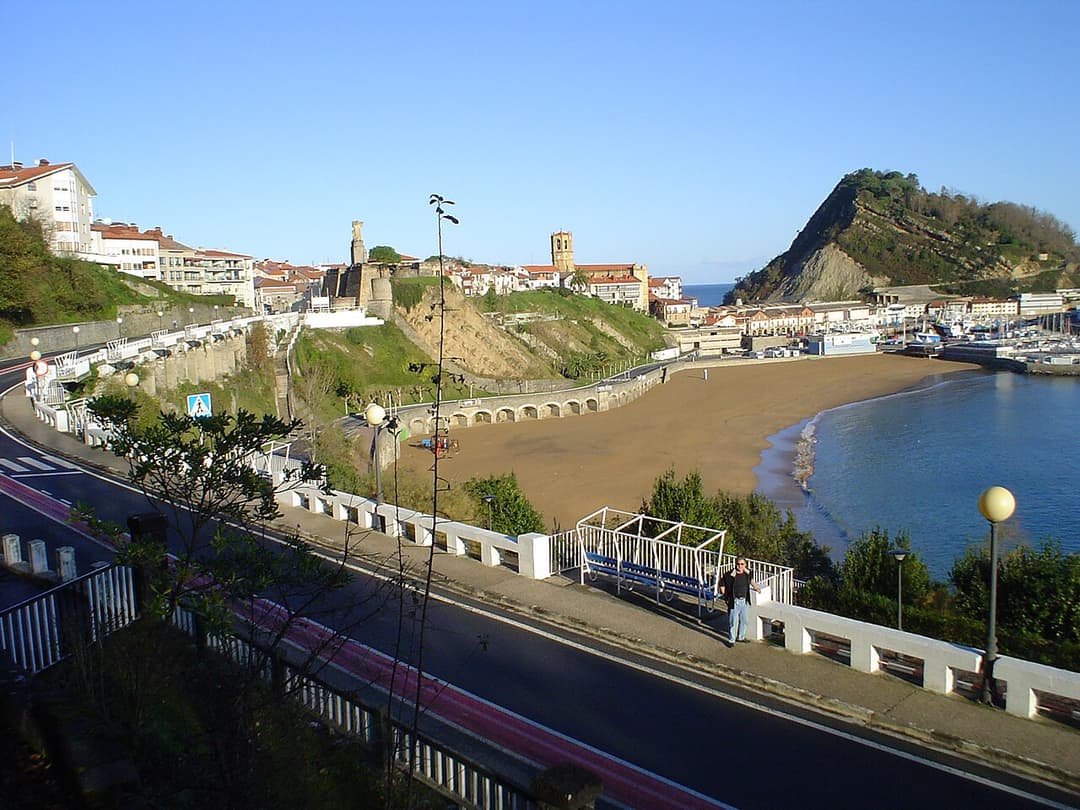
Getaria is the hometown of Juan Sebastián Elcano, the captain who brought the Victoria home and completed Magellan's circumnavigation. Its restaurants are known for grilled fish and for txakoli, the dry white wine of the Getariako Txakolina designation. The hill that closes the harbour, once an island, is called the Mouse of Getaria. About 25 km from San Sebastián, it makes an easy half-day.
Sources: en.wikipedia.org · afar.com
Pasai Donibane: a village across the water
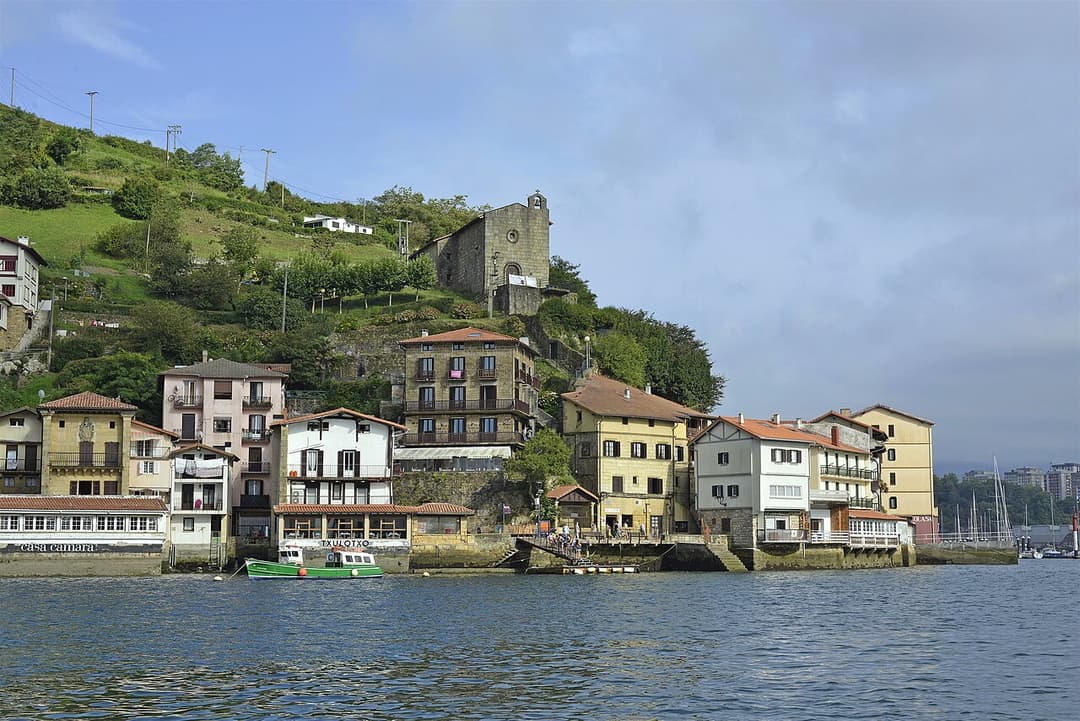
Five kilometres east of the centre, Pasaia is a working fishing port, and the old village of Pasai Donibane sits on one side of the bay, reached by a small passenger boat. A seventeenth-century house on its main street, where Victor Hugo stayed in 1843, is now a museum; it was listed as closed for renovation, so check before you go. Walk the single street and take the boat back.
Sources: en.wikipedia.org · oarsoaldeaturismoa.eus
Tips
Two names for one city
The city is officially bilingual: Donostia in Basque, San Sebastián in Spanish, and both mean Saint Sebastian. Signs, timetables and maps use one or the other, often both. Save your places under both names so that offline maps and bus apps find them.
Sources: en.wikipedia.org
Pick your season
September brings the film festival and the crowds that go with it. From the second half of January to the end of April the cider houses are open. Summer is the beach season the city was built for. Each is a different visit, so decide which one you want before you book.
Sources: en.wikipedia.org · turismo.euskadi.eus